The Future of Computing Is Android on Laptops

Table of Contents
- Introduction
- Why the Shift Is Happening Now
- What Changes When Android Becomes a Laptop OS
- How This Reshapes the Indian Computing Stack
- Where Primebook Fits in the Paradigm
- Conclusion
- FAQ
Introduction
For two decades, laptops have been associated solely with Windows or macOS. The industry largely continued to treat mobile and desktop computing as separate ecosystems, even as computing in the mobile ecosystem evolved faster around app-native usage patterns that now dominate everyday online behaviour. That separation has narrowed significantly. Android holds roughly 95% of India's mobile OS share, which means an entire generation has grown up fluent in one operating model, then forced to relearn another the moment they sit at a laptop.
The interesting shift in 2026 is not that Android is becoming a laptop OS. Indian brands like Primebook have already spent several years building Android-first laptop ecosystems around app-native workflows, cloud-linked computing, and larger-screen productivity experiences. What changed recently is that the broader industry, including Google’s own platform direction, has started moving toward the same computing model: lightweight systems that are increasingly app-native, touch-aware, AI-integrated, and Android-shaped.
Why the Shift Is Happening Now
Two recent developments are accelerating this transition. First, Google has signalled a structural merger of ChromeOS and Android, pointing toward a unified PC-class platform built on the Android runtime. Second, the same mobile chip architecture used in smartphones has become powerful enough to handle everyday laptop workloads efficiently, reducing the industry’s long-standing dependence on traditional PC processors.
Underneath both shifts is a broader behavioural reality that has existed for years: most users already spend the majority of their digital time inside mobile-first apps like WhatsApp, Canva, Instagram, Notion, ChatGPT, and banking platforms. Android laptops are becoming more relevant because they extend those familiar app ecosystems into a larger-screen, productivity-oriented computing environment.
The result is that Android-based laptops increasingly align more closely with existing mobile-first usage behaviour rather than feeling like secondary computing systems. TRAI data shows over three-quarters of India's internet activity already runs through mobile devices, which makes the desktop relearning cost feel increasingly arbitrary.
What Changes When Android Becomes a Laptop OS
Treating Android as a laptop OS is not a port. It changes several long-standing assumptions about how personal computers operate.
| Layer | Legacy Laptop OS | Android-Based Laptop OS |
|---|---|---|
| App model | .exe / .dmg, install-heavy | App store native, instant install |
| Input | Keyboard and trackpad | Keyboard, trackpad, touch input mapping, sensors |
| Updates | System-level, disruptive | Modular, in-background |
| AI integration | Bolted-on app layer | Embedded at the OS level |
| Power profile | Built for plugged-in use | Built for all-day, battery-first |
The most consequential change is the AI layer. Android's roadmap is being designed around on-device intelligence and Operator AI-style execution, where the system completes workflows across apps rather than just suggesting them. That capability is far harder to retrofit into legacy desktop operating systems built before this paradigm existed.
How This Reshapes the Indian Computing Stack
India is the most interesting test bed for this transition. IBEF reports the Indian PC and laptop market is on a steady multi-year growth curve, but the entrants buying their first laptop today are not the same demographic that bought one ten years ago. They are app-fluent, cloud-comfortable, and unwilling to spend their early computing hours adjusting to desktop workflows designed around older computing patterns.
For students, creators, freelancers, and nano entrepreneurs, the friction of legacy desktop computing shows up as small daily taxes: an unfamiliar file manager, missing mobile apps, sluggish boot times on entry-tier hardware, productivity tools that assume a workflow built around heavy software. An Android on a laptop model removes most of those frictions by default, because the interaction model already resembles how many users operate on their phones.
This also reframes the value equation. India's broader Digital India programme has expanded internet and cloud access faster than households' ability to invest in premium hardware. A well-optimised Android OS laptop with cloud-PC fallback for the rare Windows-only task becomes a more practical match for how Indians actually work in 2026.
Where Primebook Fits in the Paradigm
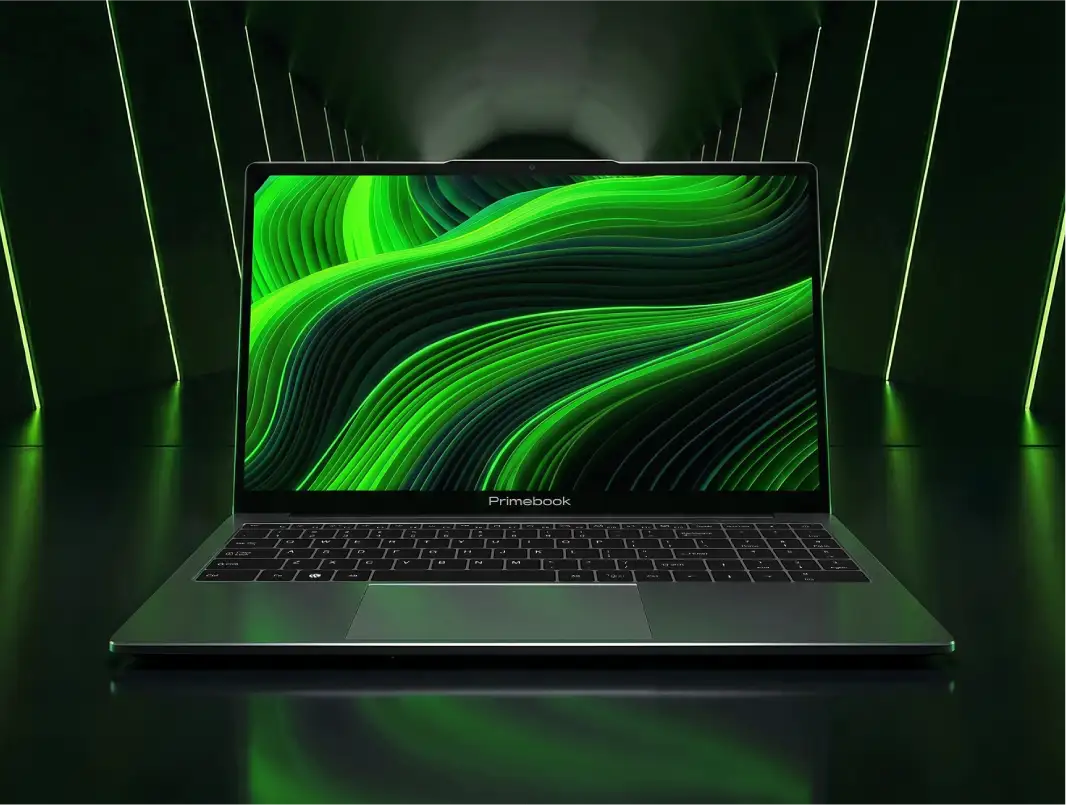
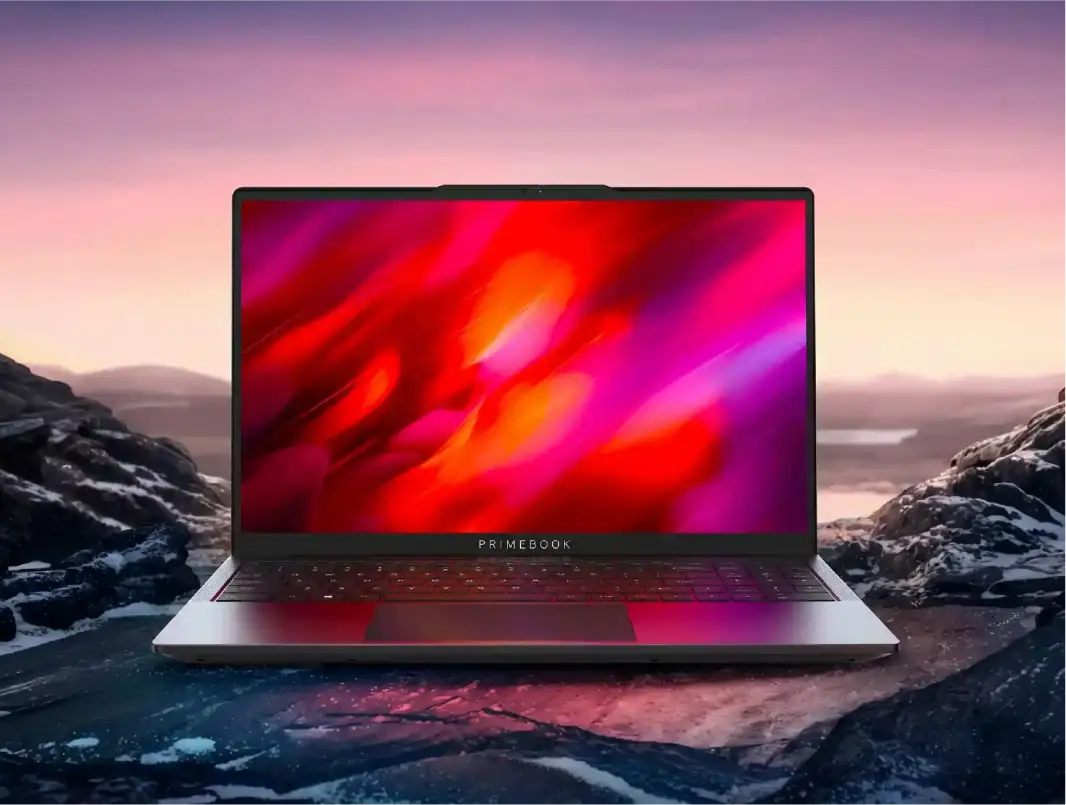
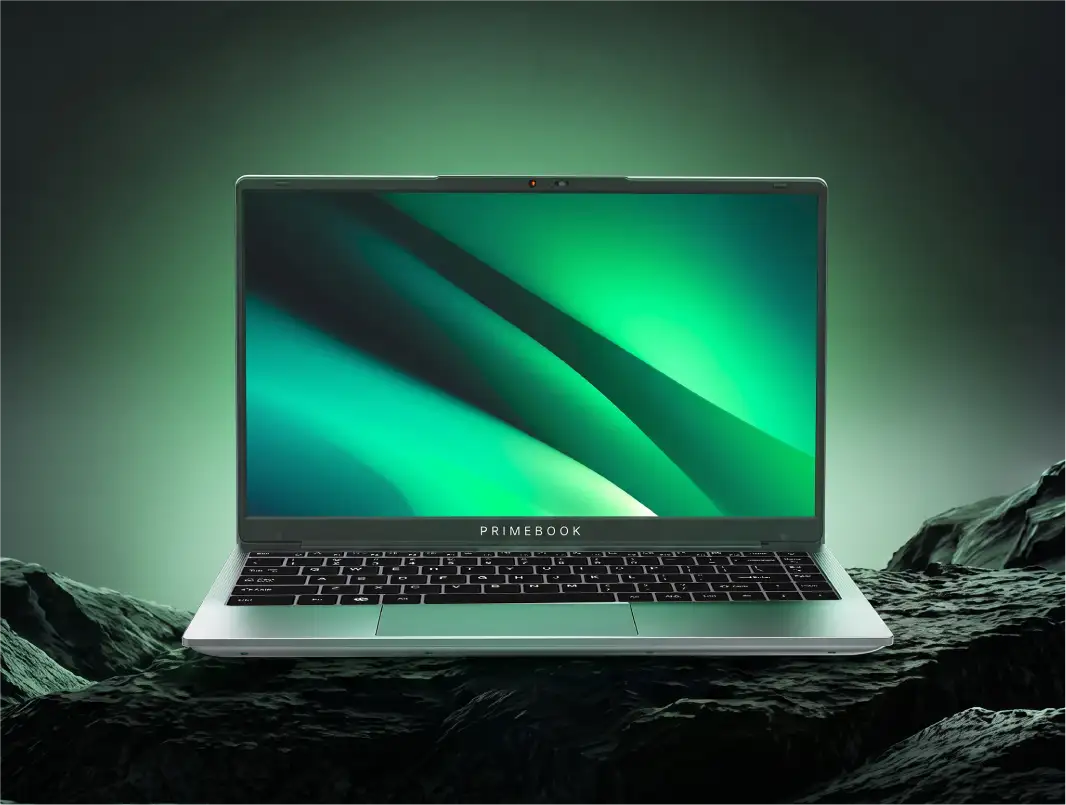
Primebook is the Indian player building specifically for this transition, not adapting to it. PrimeOS is an Android-based laptop OS designed in-house, with multi-window multitasking, a native Android app store, keymapping for touch apps, and Cloud PC access for legacy Windows or Linux workloads when required. The focus is on the operating environment and workflow layer rather than hardware specifications alone.
For readers tracking the broader paradigm, the related reading worth scanning includes Google's upcoming Android OS for PCs, the ChromeOS vs PrimeOS comparison, and future trends in Android laptop technology. Each captures a different slice of the same shift.
Conclusion
The more interesting shift is that the conversation is already moving beyond whether Android belongs on laptops at all. As the category matures, differentiation is increasingly shifting toward the operating environment built on top of Android itself. Earlier PC eras were shaped largely by hardware and processor advantages. The next phase is more likely to be defined by how intelligently companies combine Android’s app ecosystem with AI layers, cloud computing, multitasking systems, and larger-screen productivity experiences into a cohesive computing environment.
FAQ
Is an Android OS laptop powerful enough for real work?
For the majority of student, creator, freelance, and professional workloads, yes. Most daily work happens inside browsers, productivity suites, design apps, and communication tools, all of which run natively. For heavier Windows-only software, a Cloud PC layer covers the edge cases without needing a second machine.
How is Android on a laptop different from running Android apps on Windows?
Running Android apps on Windows is emulation on top of a non-native OS. A true Android laptop OS runs those apps natively, with proper multi-window behaviour, keymapping, and system-level integration. The performance and battery profile are genuinely different, not cosmetically different.
Will Android laptops replace Windows entirely?
Not entirely, and that is not the point. Windows will continue to dominate enterprise and specialised workflows. Android laptops are reshaping the personal computing segment, where most users live inside mobile-first apps and benefit more from alignment than legacy compatibility.
What should I look for in an Android laptop in 2026?
Check for a purpose-built laptop OS rather than a stretched phone interface, native multi-window multitasking, a proper app store, keyboard and touch parity, battery optimisation, and a meaningful AI execution layer. The OS work matters more than the spec sheet on the box.